
How to Start a Consulting Business (Step-by-Step Guide for Beginners)
Introduction What if you could turn what you already know into a business that pays you on your own terms?…
Introduction
What if you could turn what you already know into a business that pays you on your own terms?
That is exactly what a consulting business lets you do. And the best part? You do not need a fancy office, a big team, or years of corporate experience to get started. Thousands of people around the world start consulting businesses every year with nothing more than a skill, a laptop, and the willingness to take the first step.
If you have been wondering how to start a consulting business but feel overwhelmed by where to begin, this guide is for you. We will walk through everything from understanding what consulting actually is, to finding your first paying client in plain, simple language.
By the end of this guide, you will have a clear, step-by-step roadmap to launch your own consulting business, even if you are starting from zero.
What Is a Consulting Business?
A consulting business is simply a business where you give expert advice or guidance to individuals, companies, or organizations in exchange for money.
Think of a consultant as a problem-solver for hire. A business might not know how to run its social media accounts. A startup might not understand how to manage its finances. A new company might need help writing better content. You, as a consultant, come in and help them solve that specific problem using your knowledge and experience.
You do not make or sell a physical product. You sell your expertise, your time, and your thinking.
Consulting is one of the most accessible businesses to start because the barrier to entry is low. You do not need a warehouse, expensive equipment, or a large budget. Your knowledge is the product.
Who Can Start a Consulting Business?
Here is the honest answer: almost anyone with a useful skill or area of knowledge can start a consulting business.
You do not need a degree or a certification in most cases. What you do need is the ability to help someone get a result they cannot easily get on their own.
You might be a good fit if you:
- Have worked in a specific industry for a few years (marketing, finance, HR, IT, healthcare, education, etc.)
- Have a skill that others regularly ask you about
- Have solved a specific problem in your own business or career
- Have a hobby or passion that others are willing to pay to learn from
- Have technical knowledge that is in demand (software, data, design, writing, etc.)
Even if you feel like you are not an expert, remember: you only need to know more than the person you are helping. If you can consistently deliver value and results, you are qualified enough to consult.
Skills Needed to Start a Consulting Business
You do not need to be perfect at everything, but there are a few core skills that will make running a consulting business much easier.
1. Your Core Expertise
This is the skill or knowledge you will actually sell. It could be digital marketing, business strategy, project management, financial planning, writing, design, or anything else you know well.
2. Communication Skills
You need to explain ideas clearly in writing, on calls, and in person. You do not need to be a public speaker, but you should be able to listen well and express your thinking in a way that clients understand.
3. Problem-Solving Ability
Clients hire consultants to fix problems. Being able to look at a situation, identify what is wrong, and suggest practical solutions is one of the most important consulting skills you can develop.
4. Basic Business Skills
You will need to handle simple things like invoicing, setting up a service agreement, managing your schedule, and tracking your income. None of this is complicated, but you should be willing to learn.
5. Reliability and Professionalism
Show up on time, do what you say you will do, and deliver quality work. These habits alone will set you apart from many competitors.
Types of Consulting Businesses
There are many directions you can take your consulting business. Here is a brief overview of some of the most popular consulting business ideas:
- Business Consulting: Help small businesses grow, improve operations, or fix problems.
- Marketing Consulting: Help companies with branding, advertising, SEO, or social media.
- Financial Consulting: Guide individuals or businesses on budgeting, investing, or financial planning.
- HR Consulting: Help companies hire, train, and manage their teams.
- IT and Tech Consulting: Help businesses with software, cybersecurity, or tech strategy.
- Career Consulting: Help people write resumes, prepare for interviews, or change careers.
- Health and Wellness Consulting: Advise on fitness, nutrition, or workplace wellbeing.
- Legal Consulting: (Requires proper credentials) Provide legal guidance to businesses.
- Education Consulting: Help students, parents, or schools improve learning outcomes.
- Environmental Consulting: Help organizations meet sustainability or compliance goals.
The list goes on. If there is a problem in a specific field, there is likely a market for a consultant who can solve it.
Step-by-Step Process to Start a Consulting Business
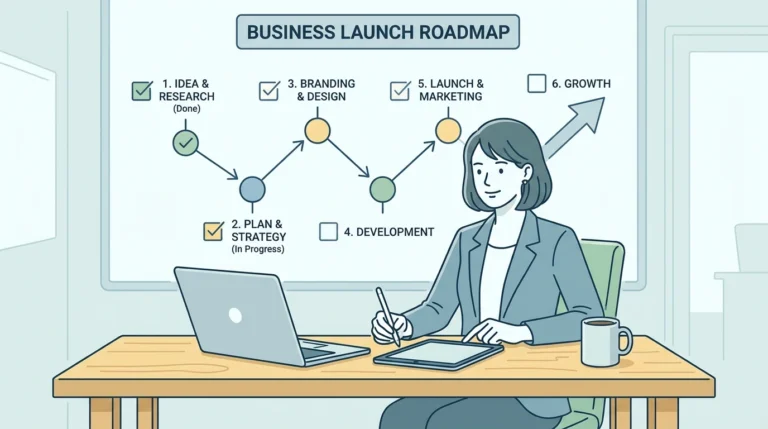
This is the core of the guide. Follow these steps in order and you will have a functioning consulting business ready to launch.
Step 1: Choose a Niche
The biggest mistake beginners make is trying to help everyone. When you try to appeal to everyone, you end up attracting no one.
A niche is simply a specific area where you focus your consulting services. Instead of saying “I help businesses,” you say “I help e-commerce brands reduce cart abandonment.” That specificity makes you immediately more valuable and easier to find.
How to choose your niche:
- List the skills you have that others are willing to pay for
- Think about the problems you have personally solved
- Look at what people already ask you for advice about
- Research where there is demand online (job boards, forums, LinkedIn)
Pick one niche to start. You can always expand later once you have clients and experience.
Step 2: Define Your Service
Once you have a niche, decide exactly what you will offer. Your service should be specific enough to communicate clearly and deliver consistently.
Avoid vague offerings like “business support.” Instead, package your service around a clear outcome.
Examples of well-defined consulting services:
- “I help new restaurants set up their accounting systems in 30 days.”
- “I help coaches create and launch their first online course.”
- “I audit and improve email marketing campaigns for e-commerce brands.”
Think about: What is the problem? Who has it? What result do you deliver? How do you deliver it?
You can offer your service in several formats:
- One-on-one consulting calls (hourly or per session)
- Monthly retainer (ongoing support for a fixed monthly fee)
- Project-based work (a defined scope and deliverable)
- Group consulting or workshops (serve multiple clients at once)
Step 3: Set Your Pricing
Pricing is where many beginners get stuck. They either charge too little out of fear, or they have no idea where to start.
Here are a few approaches you can use:
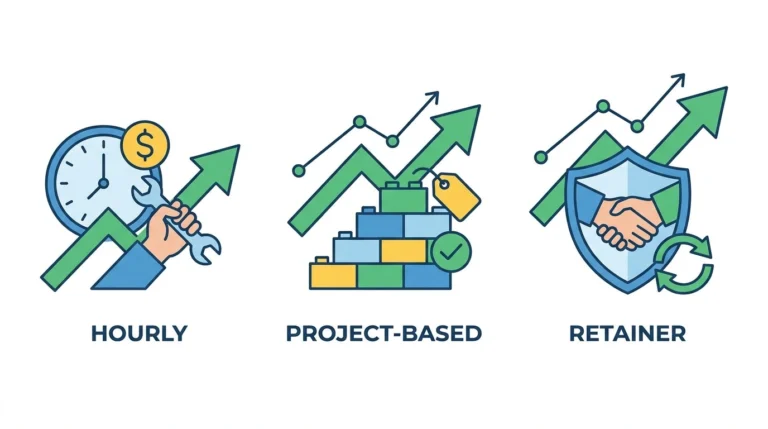
Hourly Rate: Charge per hour of your time. This is simple and easy to understand. Beginner consultants often start between $50–$150/hour depending on their niche and market.
Project Fee: Charge a flat rate for a defined project. For example, $500 to audit a client’s marketing strategy and deliver a report. This is often preferred by clients because they know the total cost upfront.
Monthly Retainer: Charge a recurring monthly fee for ongoing access to your advice and support. This gives you predictable income and gives clients consistent support.
Value-Based Pricing: Charge based on the outcome or value you deliver, not your time. If your advice helps a client earn $10,000 more per month, charging $2,000 for that advice is completely reasonable.
A simple starting point: Research what other consultants in your niche charge, position yourself in the middle to lower range initially, and raise your rates as you gain results and testimonials.
Do not undersell yourself. Charging too little can actually make clients trust you less, not more.
Step 4: Create a Basic Offer
Before you start promoting your services, you need a simple, clear offer that explains:
- Who you help
- What problem you solve
- What the client gets
- What it costs
- How to get started
You do not need a fancy website right away. A one-page document, a PDF, or even a well-written social media bio can communicate your offer effectively.
Step 5: Find Your First Clients
This is where most beginners feel stuck. Here is the truth: your first client is probably already in your network.
Start with people you know:
- Friends, family, or former colleagues who might need your help
- Previous employers who could hire you as an outside consultant
- People in your professional or social circle with the problems you solve
Reach out directly:
- Write a short, personal message explaining what you now offer and how you can help them
- Do not send mass messages. Personalized outreach works far better
Use LinkedIn:
- Update your profile to reflect your consulting service
- Post helpful content that showcases your knowledge
- Connect with people in your target market and start conversations
Join communities:
- Online groups (Facebook Groups, Reddit, Slack communities, forums) where your ideal clients hang out
- Participate by answering questions and building a reputation as someone who knows their stuff
Ask for referrals:
- Once you have one or two clients, ask them to refer people who might benefit from your services
- Word-of-mouth is often the most powerful source of new clients for consultants
You will find more specific tactics in the “Tips to Get Your First Client” section below.
Cost Overview: How Much Does It Cost to Start a Consulting Business?
One of the best things about starting a consulting business is that it can be done with very little upfront money.
Here is a general breakdown of what you might need to spend:
| Item | Estimated Cost |
|---|---|
| Business registration | $50–$500 (varies by country/state) |
| Basic website or landing page | $0–$200/year |
| Email and scheduling tools | $0–$50/month |
| Business cards or basic branding | $0–$100 |
| Professional development or courses | $0–$500 |
| Accounting/invoicing software | $0–$30/month |
You can realistically start a consulting business for under $200 if you use free tools. Tools like Google Workspace, Calendly, Zoom, PayPal or Stripe, and a simple website builder (like Carrd or WordPress) cover most of your early needs.
For a more detailed breakdown specific to your situation, a comprehensive guide on the cost to start a consulting business can walk you through budgeting for each stage of growth.
Registration Overview: Do You Need to Register Your Business?
In most countries, yes at some point you will want to register your business. Registration makes your business official, helps you open a business bank account, and protects you legally.
For most beginner consultants, the simplest structure is a sole proprietorship or a single-member LLC (or its equivalent in your country). These are easy to set up, inexpensive, and give you a legitimate business identity.
General steps to register:
- Choose a business name (it can be your own name or a brand name)
- Check if the name is available in your country’s business registry
- Choose your business structure (sole trader, LLC, etc.)
- Register with your local government or business registration authority
- Open a separate business bank account
Registration requirements vary significantly by country and region. For a full walkthrough of the process, a dedicated guide on how to register a consulting business covers country-specific steps in detail.
Taxes Overview: How Are Consultants Taxed?
As a consultant, you are typically considered self-employed, which means you are responsible for managing your own taxes.
Here are the key things to understand:
- Income Tax: You pay tax on your consulting income, just like a salaried employee. The rate depends on your country and income level.
- Self-Employment Tax: In many countries, self-employed people also pay a portion of social security or national insurance contributions separately.
- Quarterly or Annual Filing: Depending on where you live, you may need to estimate and pay taxes quarterly (rather than waiting until the end of the year).
- Business Expenses are Deductible: Costs you incur running your consulting business (software, home office, travel, equipment) may reduce your taxable income.
- Keep Records: Track every payment you receive and every business-related expense from day one. Use a simple spreadsheet or accounting app.
Tax rules differ by country, so it is always wise to consult a local accountant once your income grows. For a deeper explanation of what to expect, a complete guide on consulting business taxes is a valuable resource to bookmark.
Legal Basics: Contracts, Compliance, and Protecting Yourself
Skipping the legal basics is one of the most common and costly mistakes new consultants make. Here is what you need to know from day one.
Use a Contract for Every Client
A written contract protects both you and your client. Even a simple agreement that covers the following is far better than nothing:
- The scope of work (what you will do)
- Payment terms (how much, when, and how)
- Timeline and deliverables
- What happens if either party wants to end the agreement
- Confidentiality clause (if you will handle sensitive client information)
You can find simple consultant contract templates online and customize them for your needs. Once you start working with larger clients, consider having a lawyer review your agreement.
Compliance
Depending on your niche, there may be regulations you need to follow. For example, if you consult in healthcare, finance, or legal fields, specific licensing rules may apply. Research what applies to your specific niche in your country.
For a full breakdown of your obligations, a guide on the legal requirements for consulting businesses can give you a clear picture of what applies to you.
Invoicing and Payments
Always invoice clients professionally and keep records. Accept payment through traceable methods (bank transfer, PayPal, and Stripe); avoid informal arrangements that are hard to document.
Best Countries to Start a Consulting Business: High-Level Overview
Consulting businesses can be launched almost anywhere in the world. Here is a very brief look at four major markets:
United States
The US has one of the largest consulting markets in the world. You can often register as a sole proprietor immediately and start working. The LLC structure is popular for added protection. Tax filing is quarterly for most self-employed individuals.
United Kingdom
The UK offers simple registration through HMRC as a sole trader or limited company. Consulting is thriving in sectors like finance, marketing, and tech. The UK has a clear VAT registration threshold once your income exceeds a certain level.
Canada
Canada is business-friendly with low registration fees. Consultants typically register provincially. GST/HST registration is required once revenue exceeds a threshold. There is strong demand in business, IT, and HR consulting.
Pakistan
Pakistan’s consulting industry is growing, especially in digital marketing, IT, and business development. Registration can be done through SECP (Securities and Exchange Commission of Pakistan) or local authorities. Many Pakistani consultants also serve international clients, which opens up significant income potential.
Each country has its own specific rules, so always verify the current requirements with a local business advisor or government portal.
Common Mistakes Beginners Make
Learning from others’ mistakes is one of the fastest ways to grow. Here are the most common pitfalls to avoid:
1. Trying to serve everyone: Picking too broad a niche makes it hard to market yourself. Niche down until your target client feels like you are speaking directly to them.
2. Waiting until everything is perfect: Many beginners spend months building a website or refining their offer before reaching out to a single potential client. You learn faster by talking to real people.
3. Undercharging: Charging very low rates does not just hurt your income, it can signal low quality to potential clients. Price for the value you deliver.
4. No written contract: Working on a handshake is a recipe for misunderstandings and unpaid invoices. Always use a written agreement.
5. Ignoring personal branding: Your reputation is your biggest asset as a consultant. Be consistent, show up where your clients are, and share your expertise publicly.
6. Not tracking finances from day one: Mixing personal and business money, not keeping receipts, or ignoring tax obligations are problems that get harder to fix the longer you wait.
7. Giving up after a few rejections: Getting your first client often takes 20–30 conversations. Rejection is normal. Keep going.
Tips to Get Your First Client
Getting your first paying client is a milestone that changes everything. Here are proven strategies that actually work:
Start with your warm network. Before posting online or running ads, personally reach out to 10–20 people you know. Explain what you are now offering and ask if they know anyone who might benefit.
Offer a free or discounted first session. Lower the risk for your first client by offering a free strategy call or a discounted first project. Use this to demonstrate your value and collect a testimonial.
Create content that shows your expertise. Write a helpful LinkedIn post, record a short video, or publish an article about a problem your ideal client faces. This builds credibility before someone even speaks to you.
Join communities and answer questions. Find Facebook Groups, Reddit threads, or industry forums where your potential clients ask questions. Be genuinely helpful. Do not spam or pitch. People will come to you.
Partner with other service providers. Web designers, accountants, lawyers, and marketers all serve clients who might also need your consulting services. Build referral partnerships with complementary service providers.
Follow up consistently. Most people give up after one or two messages. If someone showed interest but did not move forward, follow up respectfully two or three times. Timing matters sometimes people are simply not ready yet.
Ask every client for a referral. After delivering good results, say, “Do you know anyone else who might benefit from this?” Most satisfied clients are happy to refer. They just need to be asked.
Conclusion:
Starting a consulting business is one of the most practical and accessible paths to self-employment available today. You do not need a large budget, a big team, or years of formal training. You need a useful skill, a clear offer, and the courage to reach out to your first potential client.
Here is your action plan for the next 7 days:
- Day 1–2: Write down your niche, your target client, and the specific problem you solve
- Day 3: Define your first service offering and set your initial pricing
- Day 4: Write out your simple offer in one or two sentences
- Day 5: List 20 people in your network who might benefit or know someone who does
- Day 6: Send personalized outreach to each of them
- Day 7: Follow up, refine your message based on responses, and keep going
The best time to start was yesterday. The second-best time is right now.
Can I start a consulting business with no experience?
Yes. Many successful consultants started with no formal consulting experience. What matters is whether you have knowledge or skills that can help someone else solve a real problem. Starting as a consultant with no experience is entirely possible if you focus on a niche where you genuinely have something valuable to offer, even if that value comes from personal experience rather than a corporate career.
How long does it take to get the first consulting client?
This varies widely. Some people get a client within days of reaching out to their network. Others take a few months of consistent effort. On average, if you are actively reaching out and following up, expect to land your first client within 4-8 weeks. The key is consistent action, not waiting for the perfect moment.
Do I need a website to start a consulting business?
No, at least not right away. Many consultants get their first several clients through personal outreach, LinkedIn, or referrals before they have a website. A website is helpful for credibility and inbound leads, but it should not be a prerequisite for starting. Focus on getting clients first, then invest in a website.
How much money can a consultant make?
Consulting income varies enormously based on niche, experience, and how many clients you serve. Entry-level consultants might earn $1,000-$3,000 per month starting out. Experienced consultants in high-demand niches regularly earn $10,000-$50,000 per month or more. Your income scales with your results, your reputation, and how effectively you market your services.
Do I need any legal structure or registration to start?
In many places, you can start consulting as a sole proprietor using your own name with minimal or no registration. However, as your business grows, registering formally protects you legally and makes banking and taxes easier. The specifics depend on your country and region, so check local requirements or consult a local business advisor.
How much money do I need to start a consulting business?
You can realistically start a consulting business for under $200 if you use free tools. The main costs are business registration ($50-500 depending on country or state), a basic website or landing page ($0-200 per year), and small monthly costs for email, scheduling, and invoicing tools. Many beginners start with free tools and add paid tools as income grows.
How much tax will I pay as a consultant?
There is no single rate, because you pay income tax on your consulting income and the rate depends on your country. In many countries self-employed people also pay a portion of social security or national insurance, and you may need to estimate and pay taxes quarterly. Business expenses such as software, home office, travel, and equipment may reduce your taxable income, so track every payment and expense from day one and consult a local accountant once your income grows.
What type of consultants are most in demand?
The post does not rank one type above the others, but it lists business, marketing, financial, HR, IT and tech, career, health and wellness, legal, education, and environmental consulting as common directions. Its guiding principle is that where there is a problem in a specific field, there is likely a market for a consultant in that area. It also notes that technical knowledge in areas such as software, data, design, and writing is in demand.